
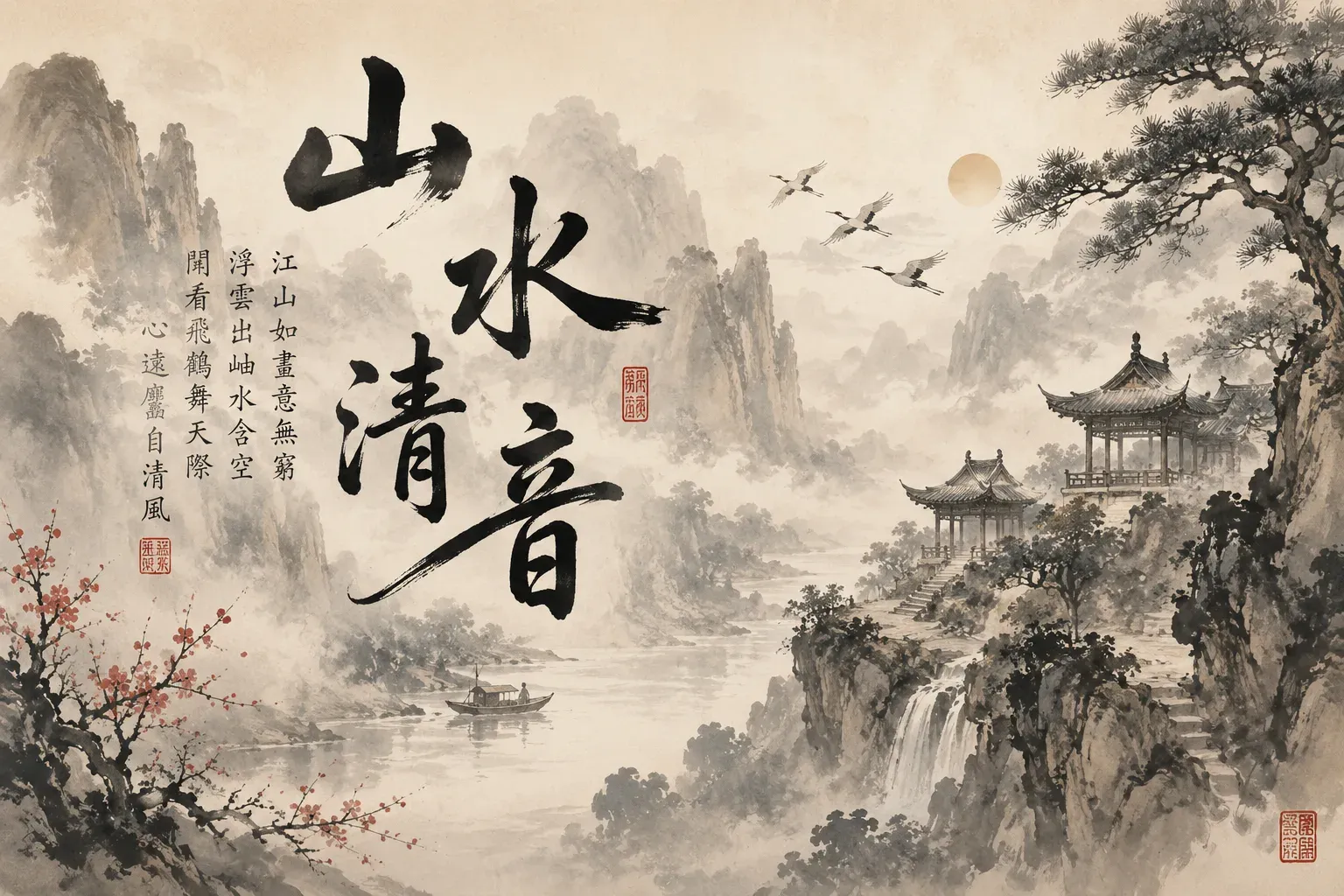
Living abroad, in a language that is not your first, your mother tongue can quietly erode, and the written language, the part you use least, often fades first. Mother-tongue attrition is a real and sometimes painful experience, but it is not irreversible. Physically rewriting characters is one of the steadiest ways to maintain the language, and a calm, mindful practice can make the upkeep not just sustainable but comforting. The one caveat is to write from memory, not just trace. Here is how to keep your characters alive.
Attrition is real, and writing fades first
Mother-tongue attrition is the gradual weakening of a first or heritage language from disuse, and it is common for anyone living long in a different-language environment. Speaking often persists through family and habit, but reading and especially writing fade fastest, because they are practiced least, and typing accelerates the loss of handwriting specifically, as research on input methods shows. So the written characters are usually the first thing to slip, and the most worth deliberately maintaining, the same loss behind ti bi wang zi for heritage learners.
Physically writing is the maintenance
The steadiest counter to attrition is use, and for the written language that means physically writing the characters, not just reading them. Producing a character by hand keeps the motor and visual memory active in a way passive exposure does not, so a regular writing habit maintains the skill that disuse erodes. For Chinese, handwriting beats typing for learning and the testing effect shows production sustains memory, so writing is maintenance in the most direct sense, the same upkeep that keeps any skill from fading.
Why a calm, mindful practice helps
Maintaining a fading mother tongue carries emotional weight, so the practice has to be sustainable, and a calm, mindful, zen-like mode helps with exactly that. Unhurried, low-pressure writing, even something close to meditative copying, makes the habit something you return to rather than dread, and consistency is what actually maintains a language. So the calm is not indulgent; it is what keeps the practice going, the same reason a meditative, mindful approach has real value. A practice you keep up maintains the language; one you abandon does not.
For maintenance, write from memory
The one caveat keeps the calm from becoming empty. Tracing and mindful copying are soothing, but they are recognition, not the production that maintains writing, so a practice that is only tracing will feel nice while the skill keeps fading. To actually maintain, make sure some of the practice is producing characters from memory, with feedback, which engages the generation effect. Enjoy calm copying for the comfort, but anchor the upkeep in from-memory writing, the same balance as keeping a heritage habit alive through real production.
Calm tracing versus from-memory upkeep
| Calm tracing alone | Calm from-memory upkeep |
|---|---|
| Soothing, meditative | Soothing and maintaining |
| Recognition only | Production from memory |
| Skill still fades | Skill stays alive |
| Comfort | Comfort plus maintenance |
The right column keeps both the calm and the language, which is what overcoming attrition asks for.
A plan to maintain your mother tongue
- Use the language deliberately, especially in writing.
- Make a small, regular writing habit.
- Keep it calm and mindful so you sustain it.
- Produce characters from memory, not only trace.
- Let consistency, not intensity, do the maintaining.
How Hanzi Write Practice fits
Hanzi Write Practice supports calm, offline, from-memory upkeep. It hides the character, you produce it from memory, and it checks stroke order and structure with spaced repetition, in a low-anxiety, calm mode that suits an emotionally weighted, maintenance-focused practice, offline with a no-login mode. It can be a quiet, mindful space, but it keeps from-memory production at the center, so the calm sustains the habit while the producing maintains the language. The app is in early access.
Bottom line
Mother-tongue attrition fades the written language first, and physically rewriting characters maintains it, with a calm, mindful practice making the upkeep sustainable. For real maintenance, produce characters from memory, not just trace. Hanzi Write Practice supports that calm, offline, from-memory upkeep, and it is in early access, so join the list.
Frequently asked questions
Can writing characters help with mother-tongue attrition?
Yes. Mother-tongue attrition, a first language fading from disuse, often hits the written language first, and physically rewriting characters helps maintain it. A calm, mindful practice makes the upkeep sustainable. For maintenance, produce characters from memory rather than only tracing, so you keep the production skill. Hanzi Write Practice supports that calm, offline, from-memory upkeep.
What is mother-tongue attrition?
It is the gradual weakening of a first or heritage language from lack of use, common for people living abroad in a different-language environment. Speaking may persist through family, but reading and especially writing often fade fastest, since they are practiced least. Regular, deliberate use, including writing, helps slow or reverse the loss.
Should I trace or write from memory to maintain my characters?
For genuine maintenance, write from memory. Tracing and mindful copying are calming and good for a gentle, meditative session, but they are recognition, not the production that keeps your writing alive. So enjoy calm copying for the comfort, but make sure some of the practice is producing characters from memory, which is what maintains the skill.
Does a calm, mindful writing mode actually help?
It helps sustainability. For an emotionally weighted practice like maintaining a fading mother tongue, a calm, zen-like, low-pressure mode makes the habit something you return to rather than avoid, and consistency is what maintains a language. The calm supports the practice; from-memory production is what does the maintaining. Hanzi Write Practice combines a calm mode with from-memory writing.
Watching your characters fade? Join early access and keep them alive from memory.