
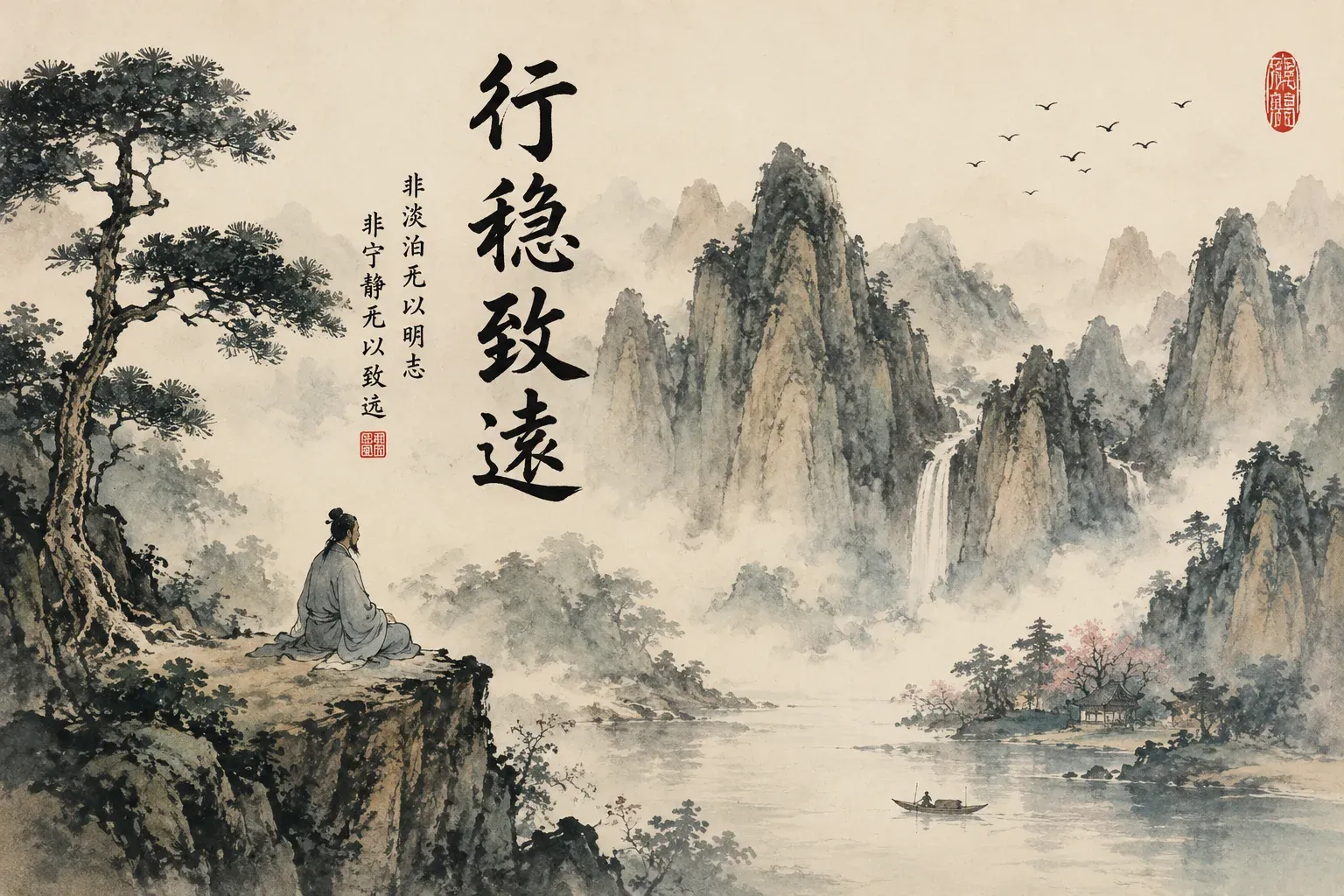
“Typing characters destroys the soul of the language, change my mind.” It is a provocative claim, and the honest response is neither to agree nor to dismiss it, because it overstates a real thing. Typing does not destroy Chinese, but it has a genuine kernel of truth worth taking seriously. Here is the balanced take.
The claim overstates it
Let us be fair to typing first. Typing Chinese is practical, fast, and how the overwhelming majority of Chinese is written today, and there is nothing soul-destroying about sending a message or writing an essay on a keyboard. Language lives in meaning, sound, and use, and typing serves all of those, so the dramatic framing, that typing kills the language, is romantic overstatement. The language is fine; hundreds of millions type it every day.
But there is a real kernel
Here is what the claim gets right. Heavy reliance on a pinyin keyboard genuinely erodes handwriting, because typing only requires recognizing a character from a list while writing requires recalling it from nothing, so the unused production skill decays. This is documented, not romantic: research links the language input system to changes in reading and writing, and the everyday name for the result is character amnesia, 提笔忘字, which affects fluent native speakers, the mechanism we unpack in pinyin rotting your ability to draw. So a specific, measurable thing really is lost: the ability to produce characters by hand.
The cultural and motor connection
There is also a softer but real point inside the “soul” framing. Writing a character by hand is a different, more embodied relationship with it than tapping it from a menu: you produce its structure, feel its proportions, and connect to a centuries-old practice. That motor and cultural connection is genuine, and handwriting beats typing for learning words precisely because producing the character engages more than recognition does, via the generation effect. So while “soul” is too strong, there is a real difference between producing a character and selecting it, the same tension behind whether Anki commodified the art of Hanzi.
What is actually true
| Claim | Verdict |
|---|---|
| Typing destroys the language | Overstated; typing is fine and practical |
| Typing erodes handwriting | True; this is character amnesia |
| Handwriting is a deeper connection | A fair, real point |
| You must choose one | False; do both |
The honest conclusion: do both
The resolution is not to quit typing, which would be impractical, but to keep handwriting alive deliberately. Type for communication, where it is the right tool, and keep a regular, small dose of from-memory handwriting so the production skill, and the connection that comes with it, does not decay. That is the practical version of taking the kernel seriously without buying the overstatement, the same balance as enjoying tracing for its own sake while using broad tools for the rest, even ones with their own friction.
A balanced practice plan
- Type freely for messaging, work, and real communication.
- Keep a small daily or regular dose of from-memory handwriting.
- Write the characters you care about, from memory, not by copying.
- Check stroke order so the hand stays fluent.
- Space the practice so handwriting does not decay.
How Hanzi Write Practice fits
Hanzi Write Practice exists to keep the handwriting half alive without asking you to give up typing. It hides the character, you produce it from memory, and it checks stroke order and structure with spaced repetition, so a few minutes of practice holds character amnesia at bay and preserves the embodied connection the “soul” argument is reaching for. Type for life; write to keep the hand and the link to the characters, on the foundation of the case for a writing app.
Bottom line
Typing does not destroy the soul of Chinese, that is overstatement, but it does erode handwriting in a real, documented way through character amnesia, and there is a genuine motor and cultural connection in writing by hand; the answer is to type for life and keep a regular dose of from-memory handwriting. Hanzi Write Practice keeps that alive and is in early access, so join the list.
Frequently asked questions
Does typing really destroy the soul of the Chinese language?
No, that framing overstates it: typing is practical, fast, and how most Chinese is written today, and the language lives fine in meaning, sound, and use. But the claim has a real kernel, heavy reliance on pinyin input genuinely erodes handwriting, the documented phenomenon of character amnesia, and there is a real motor and cultural connection in writing by hand. The honest answer is to type for communication and keep a regular dose of from-memory handwriting, which is what Hanzi Write Practice is for.
Is it true that typing erodes handwriting?
Yes, this part is documented. Typing only requires recognizing a character from a list, while writing requires recalling it from nothing, so the unused production skill decays. The result, character amnesia, affects fluent native speakers, so it is a measurable loss, not a romantic one, even though “destroying the language” is too strong.
Should I stop typing Chinese?
No. Typing is the right tool for messaging, work, and real communication, and quitting it would be impractical. The fix is not to stop typing but to keep handwriting alive deliberately, with a small, regular dose of from-memory practice so the production skill and its connection do not decay.
Is there really something deeper about writing by hand?
There is a fair point inside the romantic framing. Writing a character by hand is a more embodied relationship with it than selecting it from a menu, since you produce its structure and feel its proportions, and producing it builds memory that recognition does not. That is a real difference, even if “soul” is too strong a word.
Want to keep the hand without quitting the keyboard? Join early access and write to remember.