
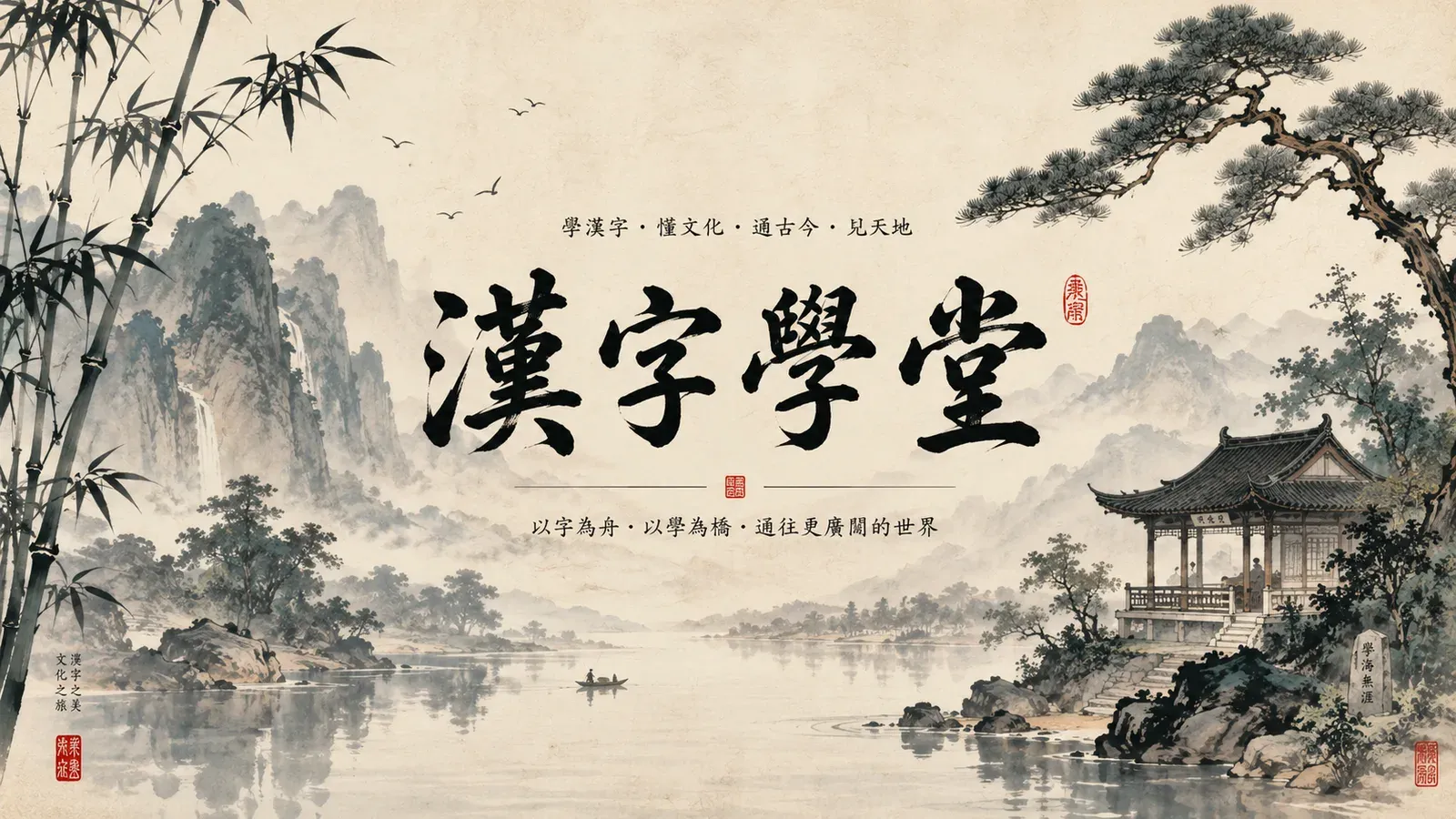
Drafting maps in an ancient Chinese style, for a hobby, a game, an art project, or historical work, means writing things the modern way will not: the formal numerals, classical directional terms, and old measurement words, all by hand. It is a wonderfully specific challenge, and the good news is that the vocabulary is small and recurring, so it is ideal for focused practice. Here is the set to learn and how to drill it.
Why old maps need the formal numerals
Historical and formal Chinese documents, including maps, use the complex formal numerals, 壹 貳 叄 肆 and so on, rather than the everyday 一 二 三, the same set used on financial documents. For an authentic old-style map you want those formal forms for distances, grid references, and dates, because they are what period documents used and they look right. Learning them is the same focused task as learning bank-form numerals, just for a different purpose.
The bounded set to learn
The vocabulary for an old-style map is small and repeats, which is exactly what makes it learnable fast:
| Category | What to learn |
|---|---|
| Formal numerals | 壹 貳 叄 肆 伍 陸 柒 捌 玖 拾 佰 仟 |
| Directions | the classical terms for north, south, east, west |
| Measurement | old units of distance and area |
| Common labels | mountain, river, city, road, and similar |
A few dozen characters cover most of what a map needs, so this is a closeable set, not an endless one, which suits from-memory practice well.
Why from-memory writing, not tracing
To actually draft a map by hand you need to produce these characters, not recognize them, so practice them from memory rather than tracing a model. Producing a character yourself engages the generation effect, and because many of these characters share components, decomposing them makes the set easier through hierarchical chunking. Correct stroke order keeps the dense formal numerals legible and balanced on the map, which matters for an authentic, clean look.
Match the script and style
Old-style maps call for traditional characters, since that is what historical documents used, so practice in traditional script. If your project aims at a specific dynasty or document style, you may also want a period-appropriate calligraphic feel, though the first priority is correct, legible characters, the same correctness-before-style order as in any calligraphy practice. Get the forms right, then refine the aesthetic.
A map-drafting practice plan
- List the formal numerals, directions, and terms your map needs.
- Learn the recurring components first.
- Write each character from a blank grid, from memory.
- Keep stroke order correct for clean, balanced forms.
- Space the review so the small set stays ready.
This is the same bounded-vocabulary discipline as in other focused, obscure pursuits like responsibly chosen vocabulary and maintaining recall against character amnesia.
How Hanzi Write Practice fits
Hanzi Write Practice is well suited to a small, recurring set like this. Load the formal numerals and your map vocabulary, and it hides each character, has you produce it on a grid from memory, checks stroke order and structure, and schedules review with spaced repetition, in traditional script. Within a short while of focused practice, writing 壹 佰 貳 拾 and your directional terms by hand becomes automatic, so you can draft an old-style map with correct, confident characters, on the foundation of learning to write Chinese characters.
Bottom line
Drafting ancient-style Chinese maps means writing the formal numerals and classical terms by hand, a bounded, recurring set ideal for from-memory practice; learn the numerals and directions, drill them from a blank grid in traditional script, and keep stroke order correct. Hanzi Write Practice drills that focused set, and it is in early access, so join the list.
Frequently asked questions
How do I practice traditional numbers for drafting ancient-style Chinese maps?
Learn the formal numerals (壹 貳 叄 肆 伍 陸 柒 捌 玖 拾 佰 仟) plus the classical directional and measurement terms your map needs, in traditional script, and drill them from memory with correct stroke order rather than tracing. It is a small, recurring set, so focused practice closes it fast. Hanzi Write Practice is well suited, letting you load that vocabulary and drill it from a blank grid with stroke-order checking and spaced review.
Which numerals do old Chinese maps use?
The formal, complex numerals, 壹 貳 叄 and so on, the same set used on financial and legal documents, rather than the everyday 一 二 三. They are what period documents used and they look authentic, so an old-style map wants those forms for distances, references, and dates.
Should I use traditional or simplified for an old-style map?
Traditional, since historical Chinese documents used traditional characters and that is what looks correct for an ancient style. Practice in traditional script so your map matches the period, and prioritize correct, legible forms before any calligraphic styling.
How long does it take to learn the map vocabulary?
Not long, because it is a bounded, recurring set of a few dozen characters, the formal numerals, directions, measurement units, and common labels. Learning the shared components and drilling from memory in short, spaced sessions makes it quick to acquire and keep ready.
Drafting an old-style map? Join early access and drill the numerals and terms from memory.