
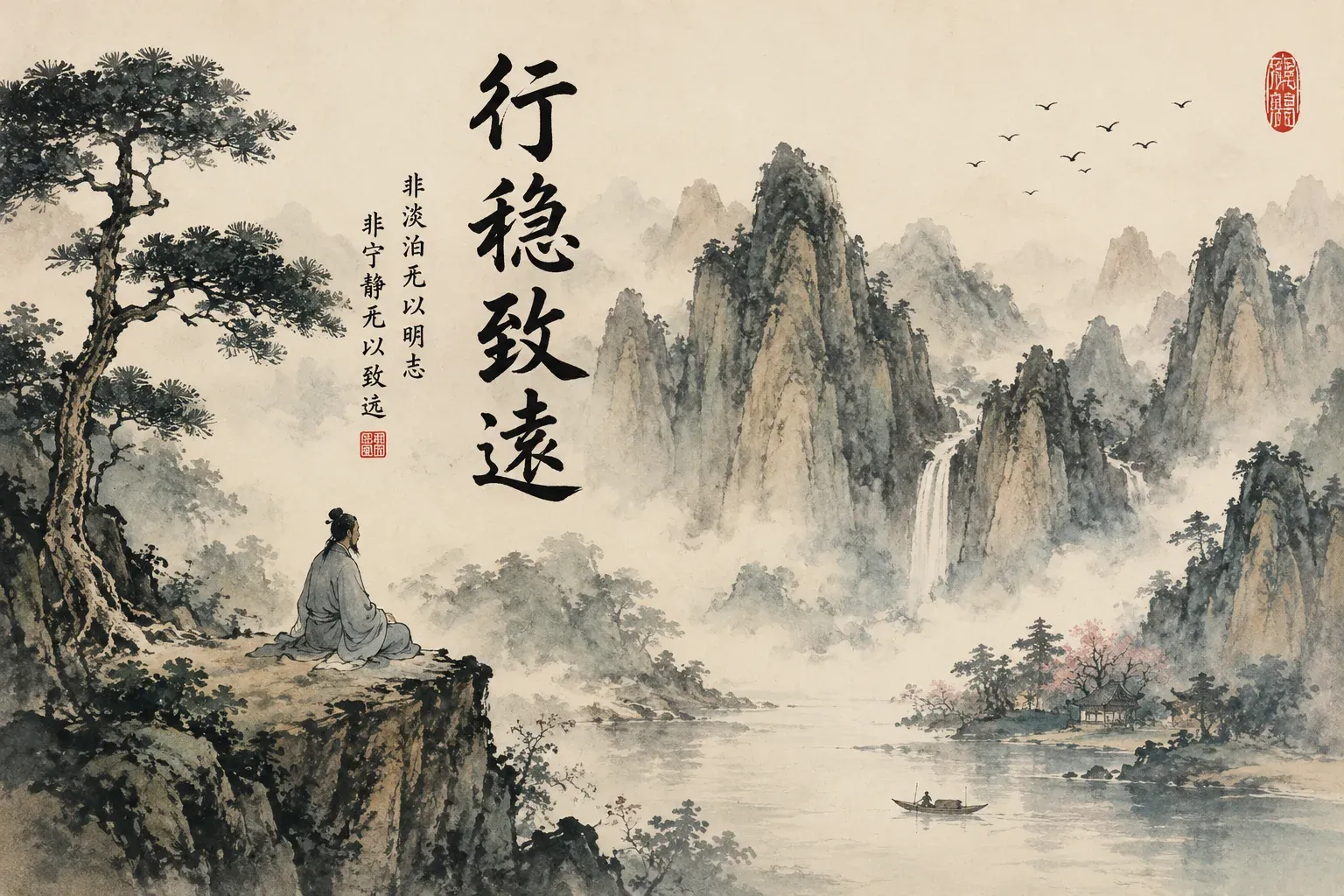
Some learners want the opposite of a gamified app: no streaks to defend, no logs to fill, no notifications nagging them, just an endless, quiet, offline space to write and fall into a flow. That instinct is good, because gamification and interruptions are precisely what break focus. The only thing a bare canvas misses is feedback. So the real ideal is a calm, gamification-free space that still tells you whether you got the character right. Here is how to keep the calm and the learning.
Why the calm is the point
Streaks, points, badges, and notifications exist to manufacture motivation, but for a learner who already wants to study, they add pressure and interruption instead, the exact enemies of a flow state. A calm, quiet, offline canvas removes all of that, so your attention stays on the writing rather than on a scoreboard or a buzzing phone. For these learners, the absence of gamification is the feature, not a gap, the same reasoning behind a non-gamified setup for an older learner and a low-anxiety, no-timer mode.
What a bare canvas still misses
There is one honest limit to a purely endless canvas. A blank space where you write freely is wonderful for flow, but on its own it cannot tell you whether your stroke order is right or your structure is sound, so mistakes pass uncorrected and a relaxing session may quietly ingrain bad habits. Feedback is what turns writing into learning, and a canvas with none is calm but not corrective, the same gap as any tool that captures ink without checking it.
Calm and effective are compatible
The good news is that you do not have to choose. The mechanisms that build writing, producing from memory, stroke-order feedback, and spacing, require no gamification and no notifications, so a calm app can keep every one of them while dropping the noise. For Chinese, handwriting beats typing for learning, the testing effect shows production builds memory, producing rather than tracing engages the generation effect, and the spacing effect holds it, none of which needs a streak. So removing the gamification costs nothing in effectiveness.
The ideal: a quiet canvas with feedback
Put the two together and the ideal app is a calm, offline, gamification-free space that still produces characters from memory and checks them quietly. You get the endless, distraction-free canvas for flow, plus unobtrusive feedback that keeps your strokes correct, with spacing working in the background. No pings, no streaks, no logs to maintain, just writing and quiet correction, the same calm-plus-substance balance as a focused, distraction-free practice space. The flow stays intact; the learning still happens.
Bare canvas versus calm canvas with feedback
| Endless canvas alone | Calm canvas with feedback |
|---|---|
| Great for flow | Great for flow |
| No streaks or pings | No streaks or pings |
| No correction | Quiet stroke feedback |
| Can ingrain mistakes | Keeps strokes correct |
The right column keeps everything you wanted about the calm canvas and adds the one thing it lacked.
A plan for calm, productive practice
- Choose a calm, offline app with no gamification.
- Confirm it has no streaks, logs, or notifications.
- Produce characters from memory in the quiet space.
- Accept unobtrusive stroke-order feedback.
- Let spacing run in the background, invisibly.
How Hanzi Write Practice fits
Hanzi Write Practice is calm, offline, and feedback-driven, with no gamification. It hides the character, you produce it from memory in a quiet interface, and it checks stroke order and structure with spaced repetition, no streaks, no badges, no notifications. It gives you the distraction-free space you want for flow, while quietly keeping your writing correct, so the calm and the learning coexist rather than trading off. The app is in early access.
Bottom line
A gamification-free, offline canvas with no streaks or notifications is great for flow, and you lose nothing in effectiveness by removing the noise, but a bare canvas lacks feedback. The ideal is a calm space that still produces from memory and checks stroke order. Hanzi Write Practice is that calm, feedback-driven app, and it is in early access, so join the list.
Frequently asked questions
Is there a Chinese writing app with no gamification or notifications?
Look for a calm, offline tool with no streaks, logs, or notifications, just a space to write. That calm suits flow-state study. The one thing a bare canvas lacks is feedback, so the ideal is a quiet, gamification-free app that still produces characters from memory and checks stroke order. Hanzi Write Practice is calm, offline, and feedback-driven, with no gamification.
Why is a gamification-free app better for flow?
Because streaks, points, and notifications add pressure and interruption, which are exactly what break a flow state. A calm, quiet, offline space removes those, so attention stays on the writing. For learners who find gamification stressful or distracting, the absence of it is the feature, not a missing one.
Does an endless canvas alone teach you to write?
Only partly. A blank space to write freely is calming and good for flow, but without feedback it cannot tell you whether your stroke order or structure is correct, so mistakes go uncorrected. The ideal keeps the calm canvas and adds quiet from-memory feedback, so the flow is also productive.
Can practice be calm and effective at once?
Yes. The mechanisms that build writing, producing from memory, stroke feedback, and spacing, do not require gamification or notifications, so a calm app keeps all of them while dropping the noise. You lose nothing in effectiveness by removing streaks and pings. Hanzi Write Practice is built that way.
Want calm without losing the learning? Join early access and write in a quiet, feedback-driven space.