
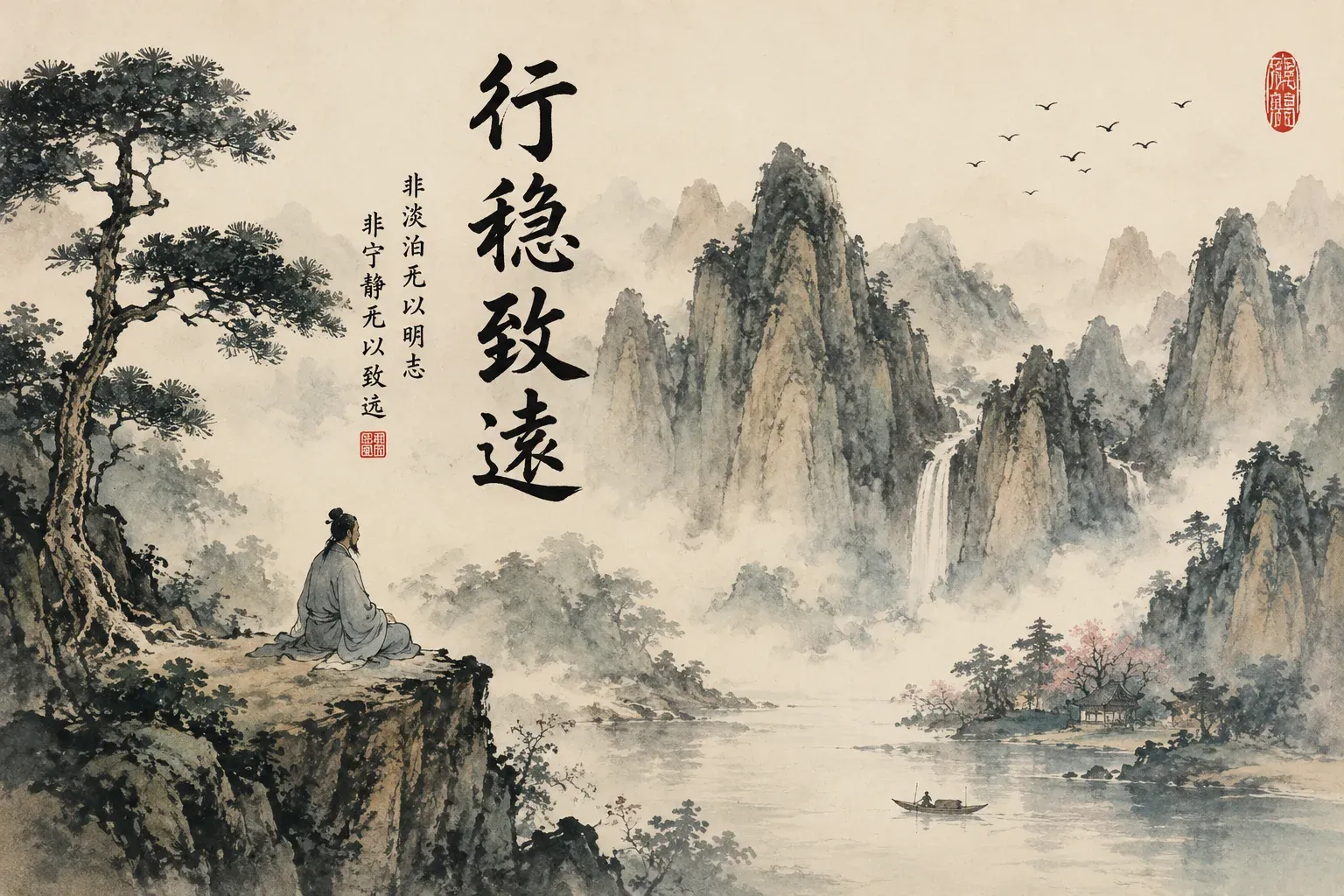
If you have fallen for the look of Chinese characters and spend happy hours tracing elegant fonts, and a small voice wonders whether that is a bit cringe or poser-ish, here is the reassurance: it is not, and the enjoyment is an asset. The only thing worth adjusting is making sure that love also builds real skill. Here is the honest, friendly take.
Loving the beauty is legitimate
Chinese characters are genuinely beautiful, and being drawn to their forms, wanting to trace them, enjoying how a well-made character looks, is a perfectly good reason to engage with the language. There is no rule that learning has to be joyless, and aesthetic pleasure is one of the oldest reasons people are drawn to calligraphy. So drop the self-consciousness: enjoying the look of characters is not cringe, it is a head start on motivation, which is the hardest part of any practice habit, the same spirit as asking whether Pleco can be enjoyable to trace with.
Why the enjoyment is actually an asset
Motivation drives consistency, and consistency is what learning rewards, since the spacing effect shows that returning to practice often beats occasional marathons. If tracing beautiful characters is what makes you open the app every day, that pull is doing real work that no amount of discipline can manufacture. People who enjoy their practice keep doing it, which is most of the battle, so your aesthetic addiction is a feature, not a flaw.
The one honest caution
Here is the only adjustment. Tracing a pretty font is, by itself, recognition: the character is in front of you and you follow it, which is enjoyable but does not build the ability to write from memory. So if tracing fonts is all you do, you will have a lovely time and a frozen hand. The fix is not to stop enjoying it but to channel the enjoyment into production too, the same recognition-versus-recall line behind whether Anki commodified the art of Hanzi.
Channel the love into real skill
The move is to let the aesthetics be the wrapper around from-memory practice. Trace the beautiful character to enjoy it and warm up, then hide it and write it from memory, which engages the generation effect and the testing effect, and for Chinese handwriting beats typing for learning words. You keep the pleasure and add the skill, so the time you already love spending becomes time that also builds your hand, the opposite of the frustration in a rigid writing layout that causes anxiety.
Enjoyment plus skill
| Activity | Feels good? | Builds writing? |
|---|---|---|
| Tracing a beautiful font | Yes | No, it is recognition |
| Writing it from memory | Yes, satisfying | Yes |
| Both, in sequence | Yes | Yes |
A plan to keep the joy and gain the skill
- Enjoy tracing the beautiful character; let it motivate you.
- Then hide it and write it from memory.
- Check stroke order so it flows and looks good.
- Keep the aesthetic that makes you show up.
- Space the from-memory practice so it sticks.
This is the same balance as keeping a beautiful setup while doing real practice, even when broad tools frustrate, as with Dong Chinese’s mobile sync or losing the hand to a pinyin keyboard.
How Hanzi Write Practice fits
Hanzi Write Practice keeps the satisfying part and adds the recall. It hides the character, you produce it on a grid from memory, and it checks stroke order and structure, so the characters you love come out correct and beautiful, with spaced repetition. A dedicated calligraphy and aesthetic mode is on the roadmap; the from-memory core that turns your enjoyment into actual writing is ready, on the foundation of the case for a writing app. Love the beauty, and build the hand at the same time.
Bottom line
Loving to trace beautiful Hanzi is not cringe, it is legitimate and motivating, and the only caution is that tracing fonts is recognition, so channel the enjoyment into from-memory writing where the real skill is built. Hanzi Write Practice keeps the satisfying writing and adds the recall, and it is in early access, so join the list.
Frequently asked questions
Is it cringe to be addicted to tracing aesthetic Hanzi fonts?
Not at all. Chinese characters are genuinely beautiful, and enjoying their forms is a perfectly good, motivating reason to engage with the language, not something to be self-conscious about. The only caution is that tracing pretty fonts is recognition, which does not build writing on its own, so channel the enjoyment into from-memory practice too. Hanzi Write Practice keeps the satisfying writing while adding the recall, so your love of the look also builds your hand.
Does tracing beautiful characters actually teach me to write?
Tracing alone mostly builds recognition, because the character is in front of you to follow, so it feels productive but does not build the ability to write from memory. To turn the enjoyment into skill, trace the character to enjoy it, then hide it and write it from memory, which is what actually builds your hand.
Is enjoying the aesthetics good for learning?
Yes, indirectly but really. Motivation drives consistency, and consistency is what learning rewards, so if the beauty is what makes you practice every day, that pull is a genuine asset. Just make sure the practice includes from-memory writing, not only tracing.
How do I keep the joy without wasting the time?
Use the aesthetics as a wrapper around real practice: trace the beautiful character to enjoy and warm up, then write it from memory and check your stroke order. You keep the pleasure that makes you show up and add the recall that builds writing, so none of the time is wasted.
Love beautiful characters? Join early access and let that love build your hand.